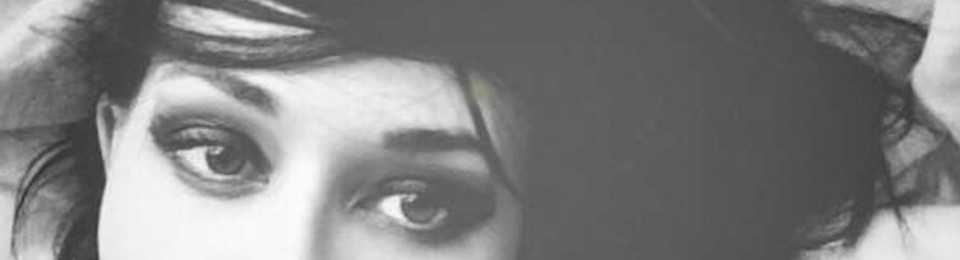
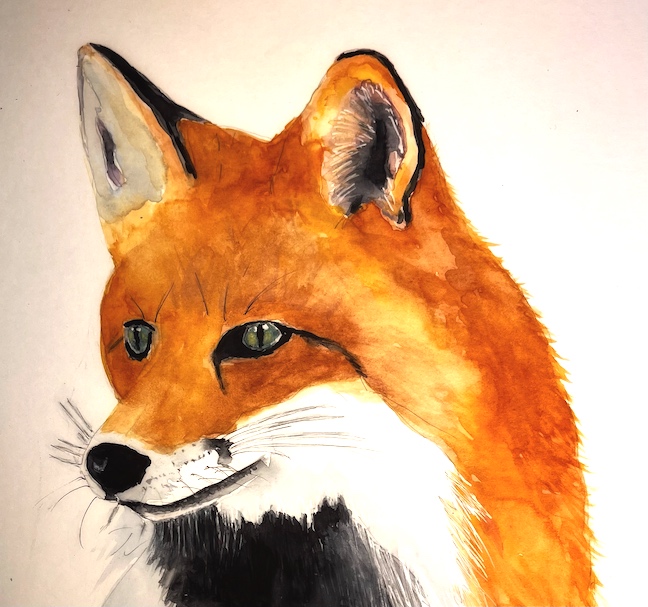
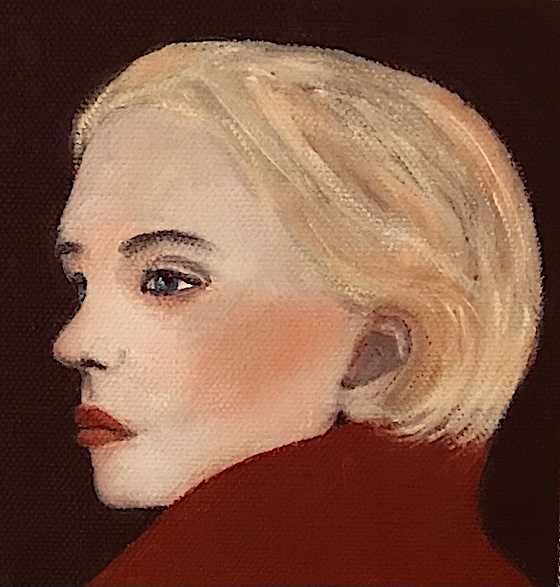
In winter’s embrace, a lonely man found cheer, A red fox came, a friend so dear.
Exquisite fur, eyes of blue-green grace, Shared scraps, forming a bond in that quiet space.
Yet, in reaching out, a truth unfolds, Wild and untamed, as nature holds.
Teeth bared, a lesson swiftly learned, A cunning companion, loyalty unearned.
I found it difficult to teach my children to be wary of wild animals when so many children’s books, cartoons, and movies – especially Disney movies, portrayed them as cute and cuddly creatures.
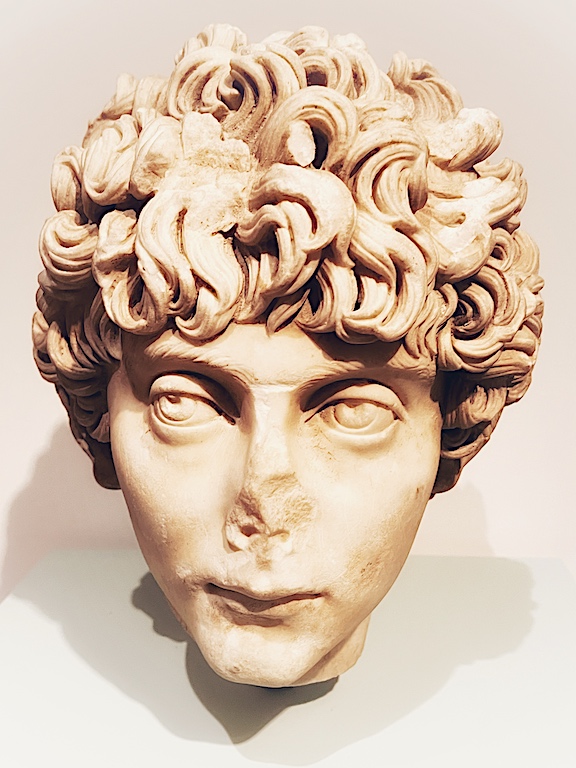
Photographed by Joan Currie – The Botticelli Drawings Exhibit, Head of a Youth, Roman, 2nd century AD, marble
Ode to Cutting Off a Nose by Joan Currie
There was a young man who was vain, His self-absorbed nature was plain. Despite all the money he’d spend, No one thought of him as a friend.
He was vengeful, spiteful, and mean, People say he was rarely seen. His mother was wary of him, His future – decidedly grim.
One day when he looked in the mirror, He pronounced that he looked rather queer. So he cut off his aquiline nose, And fed all the parts to the crows.
As I was examining the marble Head of a Youth at the Botticelli Drawings exhibit at the Legion of Honor in San Francisco, I thought of the expression, “cutting off one’s nose to spite one’s face,” as well as Vincent van Gogh cutting off his ear, and the ominous “Wheat Field with Crows,” one of van Gogh’s last paintings executed in 1890 before his death. The above poem was born out of that Joycean stream-of-consciousness.
I wonder what other people think when they look at great works of art? Who knows, but it could be very interesting!
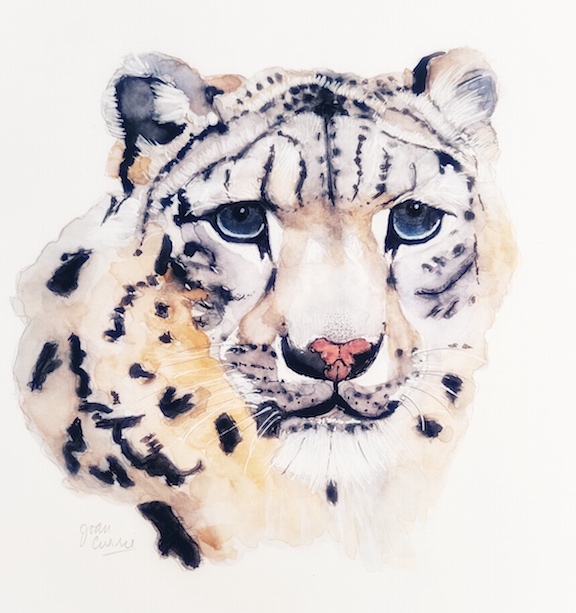
In the peaks where snow doth lie, A creature graced with silent stride, Snow leopard roams beneath the sky, In the realm where frost abides.
With fur of silver, spots of night, Its gaze, ice blue, a mystic sight, Amongst snow-capped mountains high, A guardian beneath the moonlight.
Once a child of that mountain air, A woman now, distant and fair, From the village, she did part, Leaving behind a heavy heart.
In dreams, she hears the snow’s soft call, A longing echoes through the hall, Her spirit yearns for frozen grace, To wander in that wild embrace.
The snow leopard, a silent guide, Through peaks where memories abide, Its eyes like crystals, piercing cold, A tale of nature’s beauty told.
The woman, haunted by the past, Desires the mountains, free at last, To return to where her soul belongs, Amidst the snow, where it prolongs.
Through valleys deep and rivers wide, Her heart retraces steps beside, Towards the peaks, she yearns to climb, Reconnect with frozen time.
Oh, snow leopard with eyes so bright, Guide her through the frigid night, To find her way, to nature’s lore, To the mountains she adored once more.
The northern landscapes that shaped my early years now seem like distant dreams. I wish for a winter’s day, especially in the late afternoon as the sun is setting, when the snow is infused with soft shades of white, blue, lavender, and rose.
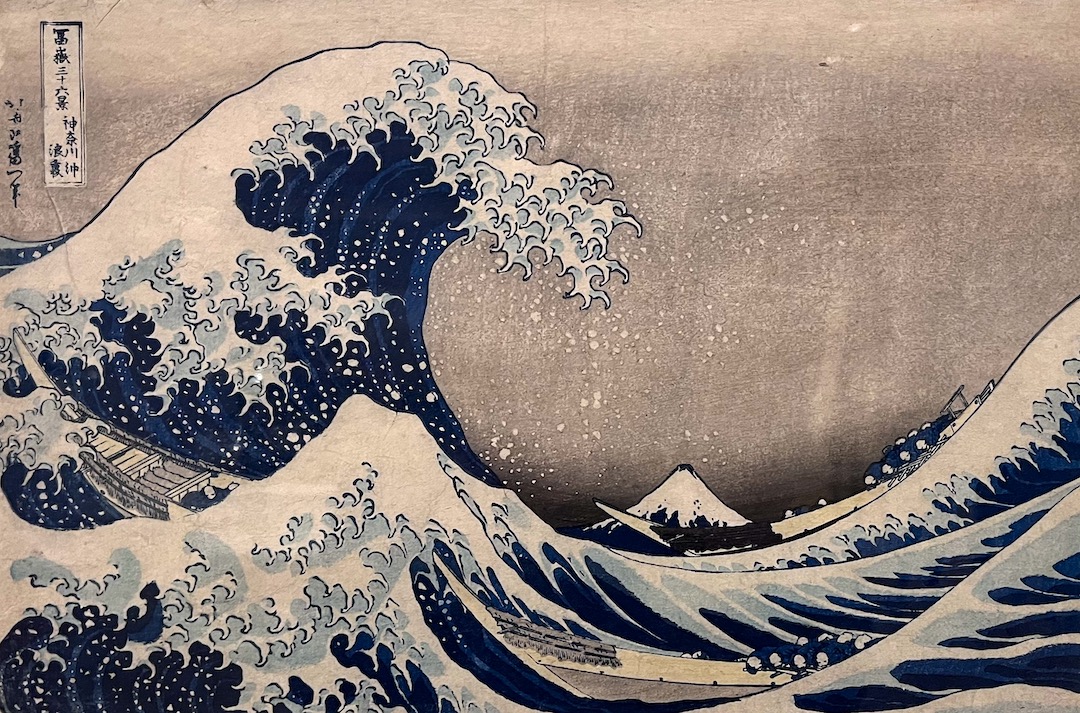
Photographed by Joan Currie at the Seattle Art Museum – The Great Wave off Kanagawaby Hokusai
During the Ebo period, ukiyo-e, woodblock prints became enormously popular. Sold in small shops and on the street, an ordinary print went for the price of a bowl of noodles. People of very modest income, therefore, could collect prints in albums or paste them on their walls. A highly efficient production system made this wide distribution of Japanese graphic art possible. From Gardner’s Art Through the Ages
It was thrilling to see The Great Wave, pictured above, at the Seattle Art Museum exhibit featuring the Japanese artist, Katsushika Hokusai (葛飾 北斎, c. 31 October 1760 – 10 May 1849). He is celebrated for having created approxiamtely 30,000 woodblock prints, paintings, illustrations, and sketches during his lifetime.
As this year hurtles towards its end, I thought of Hokusai’s Great Wave, and found myself amidst a sea of unfinished tasks and uncharted waters. Like the towering wave, these last few days of 2023 have loomed large, yet I am carried forth by the inexorable force of time.
As I look at the intricate details of Hokusai’s work, I see parallels in my own year-end reflections. The waves symbolize exquisite beauty, contrasts of dark and light, highs and lows, dynamism, chaos, and complexities of life, while the boats – the challenges I have faced throughout the year (a little trying to stay afloat but mostly enjoying the ride!).
I look forward to catching a new Great Wave in 2024!
Fall, leaves, fall; die, flowers, away; Lengthen night and shorten day; Every leaf speaks bliss to me Fluttering from the autumn tree. I shall smile when wreaths of snow Blossom where the rose should grow; I shall sing when night’s decay Ushers in a drearier day. From Fall, Leaves, Fall by Emily Brontë
I reveled in the beauty of fall on my walk – but, there was a bittersweet undertone to the experience. The leaves that carpeted my path were a sign that the world around me was preparing for a long slumber. The once-bustling woods would soon be hushed by the frigid grip of winter. The trees, now so alive with color, will soon stand bare and vulnerable.
The toughest wood with brightest blaze will greet: The hardest nut contains the sweetest meat; So wisdom, gained by light of midnight oil, Gives richest recompense to patient toil. From Industry By Charles Eugene Banks
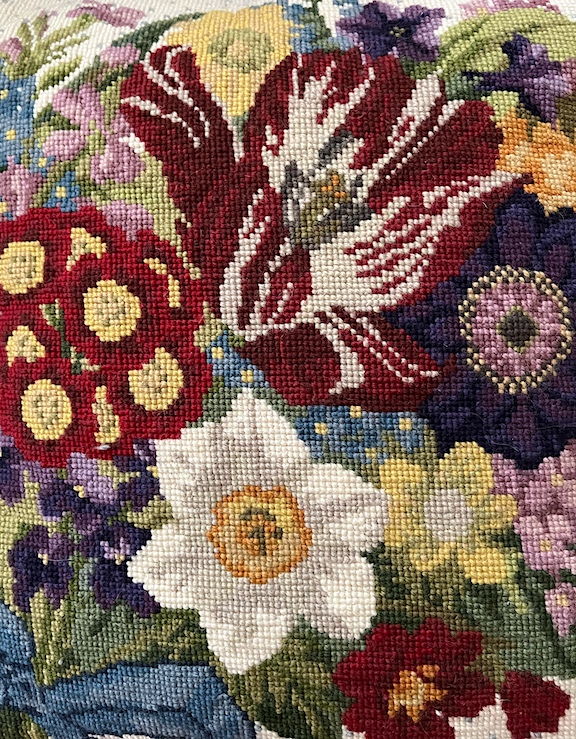
I came across a half-finished needlepoint canvas while looking through my tapestry wool stash. I began it over a decade ago and decided at the time that I just didn’t have it in me to finish it – much like when I started reading the 1,072-page classic, Don Quixote, and decided enough was enough and put it back on the shelf.
After examining the needlepoint canvas further and determining that I had just enough wool to complete it, I resolved to push through and finish it. It took me just over a month of incessant work. It is, hands down, my favorite needlepoint piece to date. I sewed it into a pillow using silk fabric backing and velvet piping from Chennai and wool stuffing from a sheep farm in Pennsylvania. I love it and it was well worth the effort!
When a bird, takes flight Wings, sail on air Silhouettes of time Upon clouds, inspire No height, inconceivable Nor dream, unreachable Fear, no longer, an obstacle Hunger, no more, high I soar Tears retreat, from, the earths floor The sky, stretches out, its arms and opens its door from A Bird Takes Flight by Bernard E. Harris
After months of contemplation, I awoke this morning and knew it was time to move. Although I haven’t settled on the exact location for my new home, I am ready to take flight!
If you don’t mean it with every bone in your body, then just don’t say it. – Danielle LaPorte
I have learned over the years that beguiling promises, theatrical proclamations, and seductive statements of intent mean absolutely nothing without action, follow-through, stepping up to the plate, becoming a stakeholder, and/or demonstrating observable results. So please, no more talk – take action!
An art book is a museum without walls. – Andre Malraux
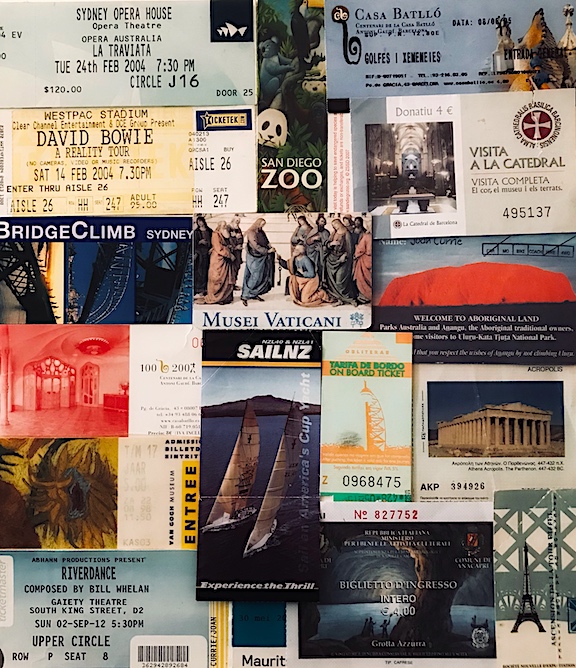
A while back, I came across a box of old art museum, music, and attraction ticket stubs from my various travels. I am so glad that I saved them as not only do they serve as touchstones for wonderful memories but because they are quite beautiful – miniature works of art in their own right! I took them out of the box and now use them as bookmarks in my art books. I have also done the same with airplane boarding passes, tram and train tickets.
During my travels last year, scan codes were used for all the attractions and I did not come home with a single ticket stub from any of the venues I visited! Photos, postcards, and maps will have to suffice but will not be the same as ticket stubs. Now I have no tangible connection to the time and place I visited nor do I have a beautiful work of art or photograph that was the best part of the art museum and attraction tickets.
My David Bowie concert ticket stub (above) reminds me of David Bowie performing on stage in a torrential downpour in Wellington, New Zealand! A scan code on my phone would not evoke that memory the same way the ticket stub does.
Both feel that this first touch of a hand in a cab, even if it was expected by the woman, means a decision of the first order; it contains, basically, all of what is to follow. There is nothing to compare with this gesture in all the living together of human beings. The man felt nothing at all like this, when he kissed that hand of the lady, at their introduction, though he was in this way very close to a strange lady; but today, the little touch of her glove means a surrender that makes both tremble. – Emil Ludwig
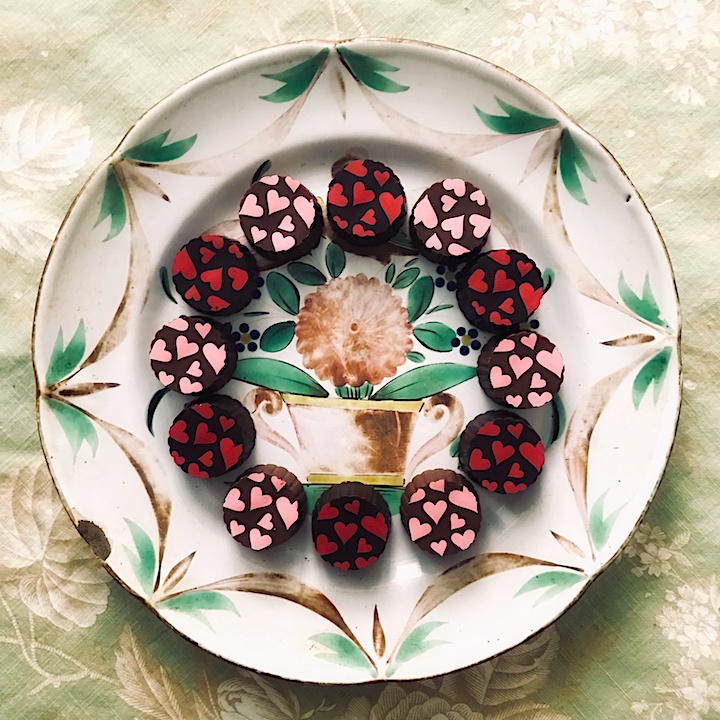
Happy Valentine’s Day, especially to those who truly and unabashedly take joy in making those they love feel cherished! ❤️